The Enduring Charm of Linzer Cookies: A Deep Dive into a Classic Treat
Among the myriad of classic cookie recipes,
linzer cookies hold a special place, revered for their delicate balance of nutty, buttery dough and vibrant, fruity jam. These exquisite sandwich cookies, instantly recognizable by their signature cut-out "window," are more than just a holiday staple; they are a testament to simple elegance and timeless flavour. Originating from the Linzer Torte of Austria, these smaller, more manageable versions bring a touch of European sophistication to any cookie platter. This article will guide you through the intricacies of these beloved treats, offering insights into their anatomy, flavour variations, and the art of perfecting them in your own kitchen.
The Anatomy of a Perfect Linzer Cookie: Dough, Jam, and Dusting
A truly exceptional linzer cookie is a symphony of textures and tastes, each component playing a vital role. Understanding these elements is the first step to mastering this iconic dessert.
The Nutty, Buttery Dough
At the heart of every linzer cookie lies its distinctive dough. Unlike typical sugar cookies, linzer dough traditionally incorporates ground nuts, most commonly almonds or hazelnuts, which impart a rich, tender crumb and a subtle, earthy flavour. This nut flour is blended with all-purpose flour, butter, sugar, and often a hint of lemon zest or warm spices like cinnamon, cloves, or nutmeg. The butter content is generous, contributing to the dough's melt-in-your-mouth texture, akin to a delicate shortbread. The inclusion of ground nuts also makes the dough slightly more delicate to work with, yet incredibly rewarding in terms of flavour and texture. For a comprehensive look at the historical roots and various dough formulations, you might find
linzer cookies - Article 1 particularly enlightening.
The Vibrant Jam Filling
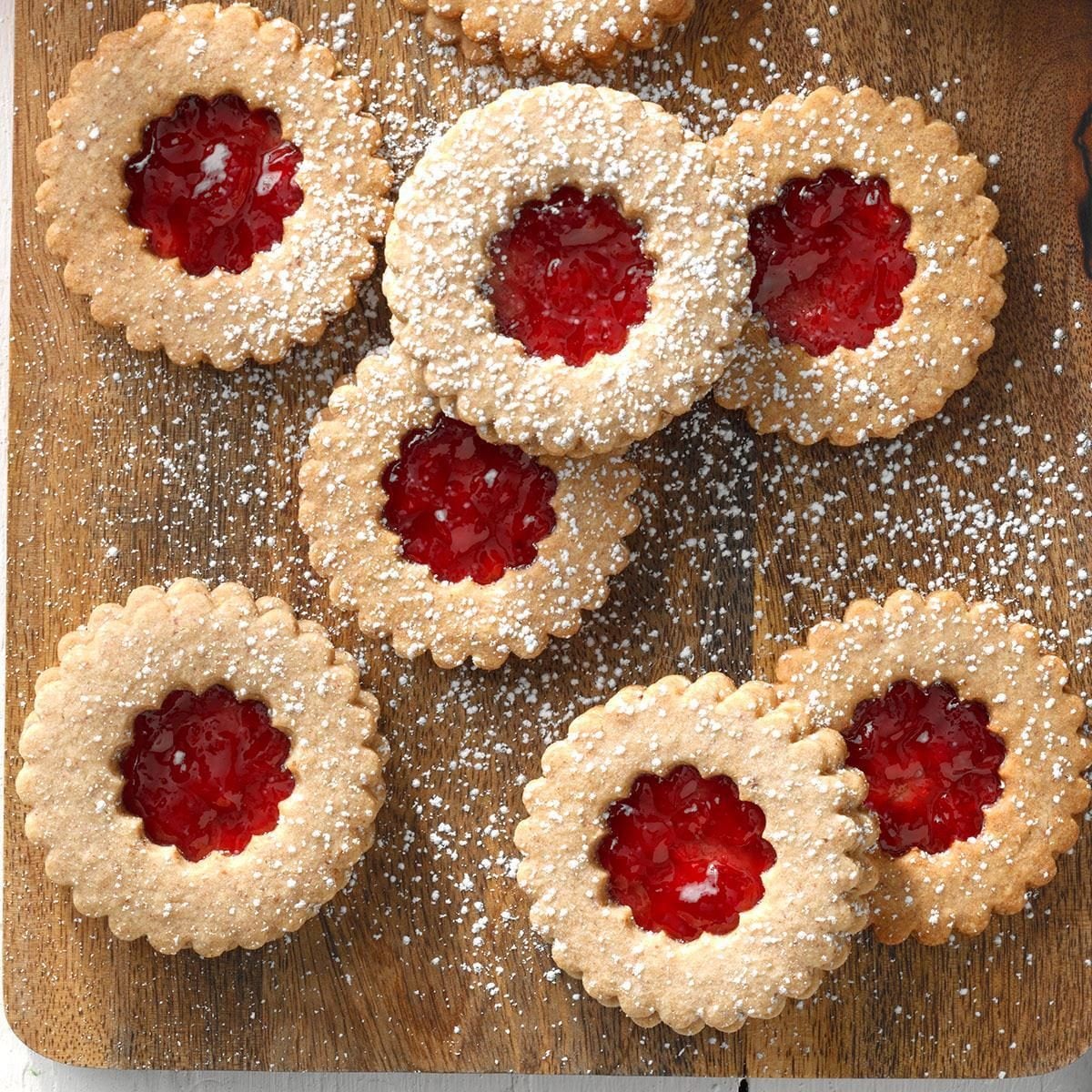
The contrasting element that brings linzer cookies to life is the fruit jam. Traditionally, tart redcurrant or raspberry jam is used, its bright acidity cutting through the richness of the dough. The visual appeal of the vibrant red jam peeking through the cut-out window is undeniable. However, the choice of jam is where personal preference truly shines, and we'll explore more variations shortly. The key is to select a jam that isn't overly sweet and has a good, firm set to prevent it from oozing excessively once the cookies are assembled.
The Iconic Cut-Out and Powdered Sugar Finish
What makes linzer cookies visually distinct is the small cut-out in the centre of the top cookie, revealing the colourful jam beneath. These cut-outs can range from simple circles to stars, hearts, or even intricate shapes, making them perfect for festive occasions. After the cookies are baked and cooled, the top cookie is often dusted generously with powdered sugar, adding a final touch of sweetness and a beautiful, snowy contrast to the jam.
Beyond Raspberry: Exploring Linzer Jam Variations
While raspberry jam holds traditional prestige, the world of linzer cookie fillings is wonderfully diverse. Experimenting with different jams can transform the flavour profile and visual appeal of these classic treats, allowing for endless customization.
*
Apricot Jam: A popular alternative, apricot jam offers a slightly sweeter, milder fruit flavour that pairs beautifully with the nutty dough. Its golden hue also provides a lovely contrast.
*
Blackcurrant Jam: For those who prefer a deeper, more intensely tart flavour, blackcurrant jam is an excellent choice. It lends a sophisticated, almost wine-like note to the cookies.
*
Cherry Jam: Sweet and slightly tart, cherry jam is a delightful option, especially if you enjoy the robust flavour of dark cherries.
*
Lemon Curd: While not a traditional jam, a tangy lemon curd can create a refreshingly bright linzer cookie, offering a zesty counterpoint to the rich dough. Ensure your curd is firm enough to prevent excessive spreading.
*
Fig Jam: For a more gourmet, less common option, fig jam provides a rich, earthy sweetness that works surprisingly well with the spiced nut dough.
When selecting a jam, consider its consistency. A jam that is too runny will seep out during assembly or storage, while one that is too thick might be difficult to spread evenly. If your preferred jam is a little loose, you can gently warm it and stir in a small amount of cornstarch slurry (cornstarch mixed with a little cold water) before bringing it to a simmer until it thickens slightly, then cool completely before use.
Mastering the Linzer Dough: Tips for Success
Creating the perfect linzer dough is crucial for delicious and beautiful cookies. While it's a relatively straightforward process, paying attention to a few key details can elevate your results significantly.
1.
Use Quality Ingredients: Start with good quality butter (unsalted is best, allowing you to control the salt content), finely ground nuts (almond flour or hazelnut flour works well), and fresh spices.
2.
Don't Overwork the Dough: Like most shortbread-style cookies, linzer dough benefits from minimal handling. Overworking develops gluten, which can lead to tough cookies. Mix until just combined.
3.
Chill, Chill, Chill: This is arguably the most important step. Linzer dough is very soft due to its high butter content. Chilling it thoroughly (at least 1-2 hours, or even overnight) firms up the butter, making the dough much easier to roll out and preventing excessive spreading during baking. Consider chilling the dough in two discs for easier handling.
4.
Flour Lightly: When rolling out the dough, dust your work surface and rolling pin with just enough flour to prevent sticking. Too much flour will make the dough tough.
5.
Roll Evenly: Aim for an even thickness, typically about 1/8 inch (3mm). This ensures uniform baking and a consistent texture. Using a rolling pin with adjustable guides can be very helpful.
6.
Cut Precisely: Use sharp cookie cutters. Dip them in flour between cuts to prevent sticking. For the top cookies, make sure to cut the windows before baking.
7.
Handle with Care: Chilled dough is less sticky, but still delicate. Use a thin metal spatula to transfer cut-out cookies to your baking sheet. If the dough softens too much during rolling, pop it back into the fridge for 10-15 minutes. For more detailed insights into advanced dough handling techniques and troubleshooting, refer to
linzer cookies - Article 3.
Shaping and Baking: Achieving That Golden Perfection
Once your dough is perfectly prepared and chilled, the final steps involve shaping, baking, and assembling your linzer cookies.
Assembly and Pre-Baking Prep
Before baking, lay your bottom cookie halves and your top cookie halves (with the cut-outs) on baking sheets lined with parchment paper. Make sure they are not touching, as they will spread slightly. It's often recommended to bake the top halves and bottom halves on separate sheets or at least keep them distinct, as the top halves with their cut-outs might bake slightly faster. For an extra touch of flavour and sheen, some recipes suggest brushing the unbaked top cookies with an egg wash before baking.
Baking to Golden Perfection
Bake the cookies in a preheated oven (usually around 350°F / 175°C) until they are lightly golden around the edges, typically 8-12 minutes depending on their size and thickness. Keep a close eye on them, as their delicate nature means they can go from perfectly baked to overdone very quickly. The key is to bake them through without browning them too much, preserving their tender texture.
Cooling, Filling, and Dusting
Once baked, transfer the cookies to a wire rack to cool completely. This is crucial before filling, as warm cookies will cause the jam to melt and spread. Once cool, lightly dust the top cookie halves (the ones with the cut-outs) with powdered sugar using a fine-mesh sieve. Then, spread a modest amount of jam on the flat side of the bottom cookie half, leaving a small border. Place a sugar-dusted top cookie gently on top, aligning the edges. Allow the cookies to sit for a while, preferably a few hours or overnight, for the flavours to meld and the jam to set slightly.
Linzer Cookies: A Timeless Treat for All Seasons
While linzer cookies are undeniably a star of Christmas and holiday baking, their elegant simplicity and delicious flavour profile make them suitable for a myriad of occasions throughout the year.
Their delicate appearance and refined taste make them ideal for afternoon tea parties, bridal showers, or simply as a sophisticated treat to enjoy with a cup of coffee. Changing the cut-out shape to hearts for Valentine's Day, flowers for spring, or leaves for autumn can easily adapt them to different seasons and themes. They also make wonderful homemade gifts, beautifully packaged in tins or boxes, showcasing the care and craftsmanship of a truly special cookie. When storing, keep filled linzer cookies in an airtight container at room temperature for up to a week, or in the refrigerator for longer. Unfilled cookies can be stored for longer and assembled just before serving.
Conclusion
The enduring appeal of
linzer cookies lies in their perfect harmony of rich, nutty dough, vibrant, tart jam, and charming presentation. More than just a simple cookie, they represent a tradition of delicate baking and a celebration of flavour. Whether you adhere strictly to the classic raspberry and almond combination or venture into innovative jam pairings, the process of creating these exquisite treats is a rewarding culinary journey. By following these tips and embracing the subtle nuances of their preparation, you can confidently bring the magic of linzer cookies to your table, delighting friends and family with every perfect, jam-filled bite.